

Keyword Research
Keyword Research
Keyword research is a crucial part of SEO and forms the foundation of any successful strategy. It involves investigating which search terms people use when they are looking for information, products, or services that you offer. By understanding which keywords your target audience uses, you can optimize your content and website to be more easily found in search engines like Google.
Why is Keyword Research Important?
Keyword research helps you gain insight into the behavior and needs of your target audience. By knowing which terms they use, you can ensure that your content aligns with their search intent. This increases the likelihood that your website will rank higher in search results and attract more visitors. Moreover, keyword research helps you gain a competitive advantage by focusing on keywords that your competitors might overlook.
The Key Components of Keyword Research
Keyword research consists of various steps and techniques that together ensure effective use of keywords on your website.
01. Gather Keywords
The first step in keyword research is collecting a list of potential keywords. You can do this by brainstorming relevant terms, analyzing your current content, and using tools such as Ahrefs or SEMrush. These tools help you find related keywords and provide insight into the search volume and competition for each term.
02. Analyzing Keywords
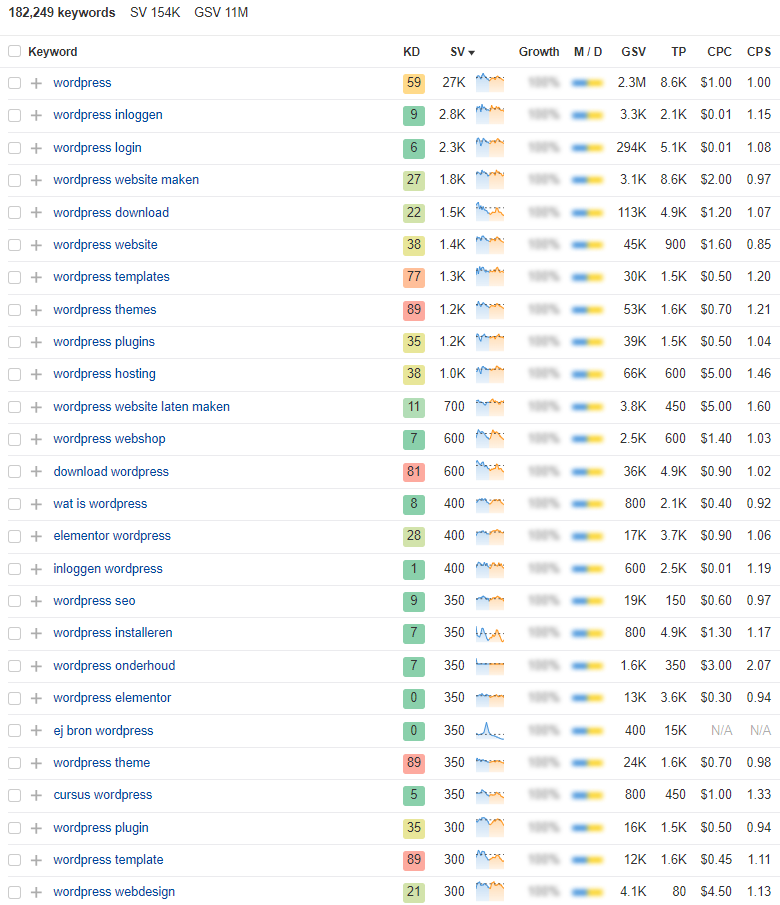
After collecting a list of keywords, it’s important to analyze them. This involves looking at the search volume (how often a word is searched for) and competition (how many other websites are trying to rank for that word). It’s often a good idea to choose a mix of popular keywords with high search volume and long-tail keywords with less competition. Long-tail keywords are longer, more specific search queries that often generate less traffic but are more targeted and usually have a higher conversion rate.
03. Understanding Search Intent
Search intent refers to the goal that a user has when they enter a search query. It’s essential to understand the intent behind the keywords your audience uses. By grasping the search intent, you can tailor your content to match what the user is truly looking for, increasing the chance that they will find your content useful and take action.

04. Integrating Keywords into Your Content
Once you have selected the right keywords, it’s time to integrate them strategically into your content. This doesn’t mean stuffing the keywords unnaturally, but rather incorporating them naturally into key elements such as titles, headers, meta descriptions, and body text. Using synonyms and related terms can also help make your content more natural and relevant for both users and search engines.
05. Competitor Analysis
Another important aspect of keyword research is analyzing your competitors. This involves looking into which keywords they are targeting and how they have optimized their content. By understanding what your competitors are doing, you can discover opportunities to set yourself apart. You might find high-potential keywords that your competitors aren’t yet using, or you might find ways to make your content better than theirs.
06. Monitoring and Adjusting Results
Keyword research is not a one-time task. It’s important to regularly monitor the performance of your keywords and make adjustments as needed. Search trends change, as does the behavior of your target audience, and what works today might be less effective tomorrow. By continually evaluating and adjusting your keyword strategy, you can ensure that your website remains relevant and competitive.
An Essential Part of SEO
Keyword research is an essential part of SEO and forms the basis for effective content optimization. By understanding which keywords your target audience uses and their search intent, you can better align your website with their needs, thus increasing your online visibility. It’s a process that requires time and attention, but the benefits are significant. By applying keyword research in a strategic and ongoing manner, you lay the foundation for a successful SEO strategy.
Keyword Research
Keyword research is a crucial part of SEO and forms the foundation of any successful strategy. It involves investigating which search terms people use when they are looking for information, products, or services that you offer. By understanding which keywords your target audience uses, you can optimize your content and website to be more easily found in search engines like Google.
Why is Keyword Research Important?
Keyword research helps you gain insight into the behavior and needs of your target audience. By knowing which terms they use, you can ensure that your content aligns with their search intent. This increases the likelihood that your website will rank higher in search results and attract more visitors. Moreover, keyword research helps you gain a competitive advantage by focusing on keywords that your competitors might overlook.
The Key Components of Keyword Research
Keyword research consists of various steps and techniques that together ensure effective use of keywords on your website.
01. Gather Keywords
The first step in keyword research is collecting a list of potential keywords. You can do this by brainstorming relevant terms, analyzing your current content, and using tools such as Ahrefs or SEMrush. These tools help you find related keywords and provide insight into the search volume and competition for each term.
02. Analyzing Keywords
After collecting a list of keywords, it’s important to analyze them. This involves looking at the search volume (how often a word is searched for) and competition (how many other websites are trying to rank for that word). It’s often a good idea to choose a mix of popular keywords with high search volume and long-tail keywords with less competition. Long-tail keywords are longer, more specific search queries that often generate less traffic but are more targeted and usually have a higher conversion rate.
03. Understanding Search Intent
Search intent refers to the goal that a user has when they enter a search query. It’s essential to understand the intent behind the keywords your audience uses. By grasping the search intent, you can tailor your content to match what the user is truly looking for, increasing the chance that they will find your content useful and take action.
04. Integrating Keywords into Your Content
Once you have selected the right keywords, it’s time to integrate them strategically into your content. This doesn’t mean stuffing the keywords unnaturally, but rather incorporating them naturally into key elements such as titles, headers, meta descriptions, and body text. Using synonyms and related terms can also help make your content more natural and relevant for both users and search engines.
05. Competitor Analysis
Another important aspect of keyword research is analyzing your competitors. This involves looking into which keywords they are targeting and how they have optimized their content. By understanding what your competitors are doing, you can discover opportunities to set yourself apart. You might find high-potential keywords that your competitors aren’t yet using, or you might find ways to make your content better than theirs.
06. Monitoring and Adjusting Results
Keyword research is not a one-time task. It’s important to regularly monitor the performance of your keywords and make adjustments as needed. Search trends change, as does the behavior of your target audience, and what works today might be less effective tomorrow. By continually evaluating and adjusting your keyword strategy, you can ensure that your website remains relevant and competitive.
An Essential Part of SEO
Keyword research is an essential part of SEO and forms the basis for effective content optimization. By understanding which keywords your target audience uses and their search intent, you can better align your website with their needs, thus increasing your online visibility. It’s a process that requires time and attention, but the benefits are significant. By applying keyword research in a strategic and ongoing manner, you lay the foundation for a successful SEO strategy.
