

Off-Page SEO
Off-page SEO
Off-page SEO refers to all activities that take place outside your own website and contribute to improving the visibility and authority of your website in search engines. Unlike on-page SEO, which focuses on optimizing elements within your own website, off-page SEO is about building a strong online presence through external factors. The main goal of off-page SEO is to improve how search engines and users perceive your website, which can lead to higher rankings in search results.
Why is Off-page SEO Important?
Off-page SEO is essential because it helps to increase the authority and reliability of your website. Search engines like Google place great importance on how other websites link to yours and how often your content is shared and mentioned on other platforms. This is because search engines assume that if many people share your content or link to your website, it means your site offers valuable and trustworthy information. A strong off-page SEO strategy can help you rank higher in search results, generate more traffic, and build brand authority.
The Key Elements of Off-page SEO
Off-page SEO encompasses a wide range of activities and techniques that collectively enhance your website’s authority and visibility.
Below we cover the most important aspects of off-page SEO:

01. Link building
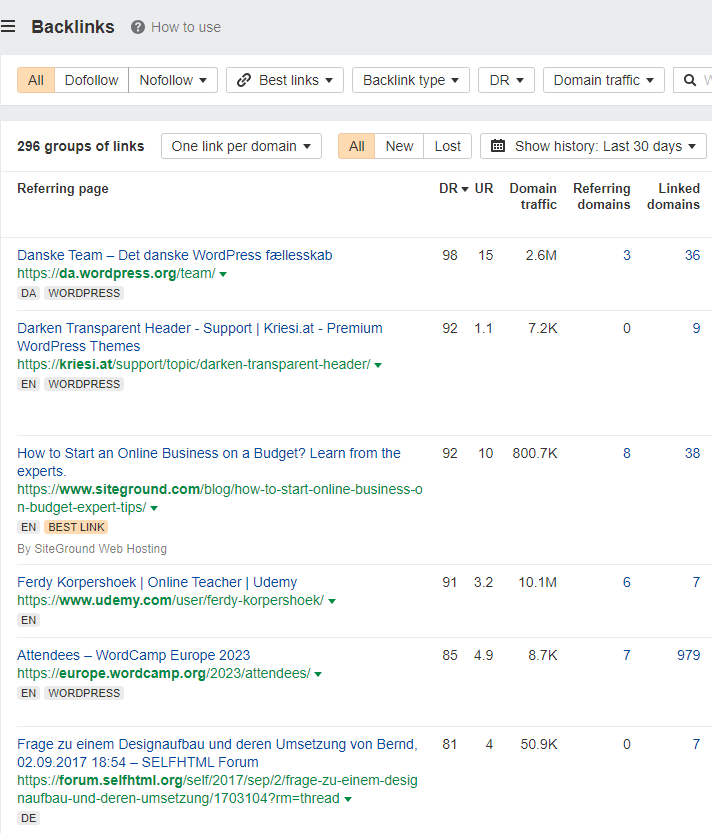
Link building is the backbone of off-page SEO. This process involves encouraging other websites to link to your site. These links, also known as backlinks, act as a vote of confidence for your site. The more quality and relevant backlinks you have, the better it is for your SEO. However, not all links are equal: search engines look at the authority of the website linking to you, the relevance of the content, and the naturalness of the link.
There are several ways to acquire backlinks
- Guest Blogging is where you write valuable content for other websites in exchange for a link back to your site. This not only helps you gain backlinks but also exposes you to a broader audience.
- Broken Link Building involves finding broken links on other websites and suggesting replacing them with a link to your content, offering a win-win situation for both parties.
- Promoting high-quality content, such as research, infographics, or comprehensive guides, encourages people to share and link to your content.
- The skyscraper technique involves identifying popular content in your niche and creating an improved version, then approaching the websites linking to the original content and suggesting your enhanced version as an alternative.
- You can also share infographics with relevant websites and blogs, as infographics are often adopted by other sites with a link back to the source.
- Participating in interviews and podcasts allows you to share your expertise, with many hosts linking to their guest’s websites, providing valuable backlinks.
- Additionally, submitting your site to reputable online directories can contribute to a healthy backlink profile.
- Collaborating with influencers or other businesses in your niche for joint campaigns can lead to natural backlinks when the influencer or partner links to your site in their promotions.
- Sponsoring events or nonprofit organizations often results in a link back to your website on their sponsor page, building authority and credibility.
- Sending press releases about important company events or launches to relevant news websites and blogs can result in mentions and backlinks from reputable media outlets.
02. Social Media Marketing
Social media plays an important role in off-page SEO, although the effect is indirect. When your content is widely shared on platforms like Facebook, Twitter, LinkedIn, and Instagram, it increases visibility and can drive more visitors to your website. This increased traffic can lead to higher engagement, which search engines may view as a positive signal. Moreover, popular social media posts can result in more backlinks, as other websites often link to content that is widely shared on social media.
03. Online Reviews and Reputation Management
Reviews and ratings are a crucial part of off-page SEO, especially for local businesses. Positive reviews on platforms such as Google My Business and Trustpilot can strengthen your online reputation and improve your local SEO. Search engines take reviews into account in their algorithms, and businesses with good reviews often rank higher in search results. Actively managing your online reputation by responding to both positive and negative feedback is therefore essential for a successful off-page SEO strategy.
04. Brand Mentions
Brand mentions refer to when your company or website is mentioned on other websites, even if there isn’t a direct link involved. These mentions can still contribute to your SEO, as they help search engines associate your brand with certain search terms or topics. Brand mentions can occur in blog posts, news articles, forums, or social media. It is important to ensure your brand is mentioned consistently and positively to increase your website’s authority and recognition.
Getting Started with Link Building
By engaging in link-building activities outside your website that increase the authority, relevance, and visibility of your site, you can achieve better rankings in search results. While these activities take place outside your website, they have a direct impact on your SEO performance.
Off-page SEO
Off-page SEO refers to all activities that take place outside your own website and contribute to improving the visibility and authority of your website in search engines. Unlike on-page SEO, which focuses on optimizing elements within your own website, off-page SEO is about building a strong online presence through external factors. The main goal of off-page SEO is to improve how search engines and users perceive your website, which can lead to higher rankings in search results.
Why is Off-page SEO Important?
Off-page SEO is essential because it helps to increase the authority and reliability of your website. Search engines like Google place great importance on how other websites link to yours and how often your content is shared and mentioned on other platforms. This is because search engines assume that if many people share your content or link to your website, it means your site offers valuable and trustworthy information. A strong off-page SEO strategy can help you rank higher in search results, generate more traffic, and build brand authority.
The Key Elements of Off-page SEO
Off-page SEO encompasses a wide range of activities and techniques that collectively enhance your website’s authority and visibility.
Below we cover the most important aspects of off-page SEO:
01. Link building
Link building is the backbone of off-page SEO. This process involves encouraging other websites to link to your site. These links, also known as backlinks, act as a vote of confidence for your site. The more quality and relevant backlinks you have, the better it is for your SEO. However, not all links are equal: search engines look at the authority of the website linking to you, the relevance of the content, and the naturalness of the link.
There are several ways to acquire backlinks
- Guest Blogging is where you write valuable content for other websites in exchange for a link back to your site. This not only helps you gain backlinks but also exposes you to a broader audience.
- Broken Link Building involves finding broken links on other websites and suggesting replacing them with a link to your content, offering a win-win situation for both parties.
- Promoting high-quality content, such as research, infographics, or comprehensive guides, encourages people to share and link to your content.
- The skyscraper technique involves identifying popular content in your niche and creating an improved version, then approaching the websites linking to the original content and suggesting your enhanced version as an alternative.
- You can also share infographics with relevant websites and blogs, as infographics are often adopted by other sites with a link back to the source.
- Participating in interviews and podcasts allows you to share your expertise, with many hosts linking to their guest’s websites, providing valuable backlinks.
- Additionally, submitting your site to reputable online directories can contribute to a healthy backlink profile.
- Collaborating with influencers or other businesses in your niche for joint campaigns can lead to natural backlinks when the influencer or partner links to your site in their promotions.
- Sponsoring events or nonprofit organizations often results in a link back to your website on their sponsor page, building authority and credibility.
- Sending press releases about important company events or launches to relevant news websites and blogs can result in mentions and backlinks from reputable media outlets.
02. Social Media Marketing
Social media plays an important role in off-page SEO, although the effect is indirect. When your content is widely shared on platforms like Facebook, Twitter, LinkedIn, and Instagram, it increases visibility and can drive more visitors to your website. This increased traffic can lead to higher engagement, which search engines may view as a positive signal. Moreover, popular social media posts can result in more backlinks, as other websites often link to content that is widely shared on social media.
03. Online Reviews and Reputation Management
Reviews and ratings are a crucial part of off-page SEO, especially for local businesses. Positive reviews on platforms such as Google My Business and Trustpilot can strengthen your online reputation and improve your local SEO. Search engines take reviews into account in their algorithms, and businesses with good reviews often rank higher in search results. Actively managing your online reputation by responding to both positive and negative feedback is therefore essential for a successful off-page SEO strategy.
04. Brand Mentions
Brand mentions refer to when your company or website is mentioned on other websites, even if there isn’t a direct link involved. These mentions can still contribute to your SEO, as they help search engines associate your brand with certain search terms or topics. Brand mentions can occur in blog posts, news articles, forums, or social media. It is important to ensure your brand is mentioned consistently and positively to increase your website’s authority and recognition.
Getting Started with Link Building
By engaging in link-building activities outside your website that increase the authority, relevance, and visibility of your site, you can achieve better rankings in search results. While these activities take place outside your website, they have a direct impact on your SEO performance.
